How To Plan The Perfect Road Trip Itinerary
Travel
|
May 24, 2026
There’s something about hitting the open road that never gets old. No airport lines, no baggage fees — just you, the highway, and a playlist that somehow always hits just right. Road trips give you total freedom. You get to decide when to stop, where to go, and how fast (or slow) the journey unfolds.
But a good road trip doesn’t just happen. It needs a plan. Not a rigid, hour-by-hour schedule, but a smart route, solid stops, and enough breathing room to enjoy the ride. So, if you're dreaming about rolling down your windows and taking off on your next big drive, here's how to plan the perfect road trip itinerary — with zero stress and maximum fun.
Start With Your Time Frame
The best road trip plans begin with one question: how much time do you have?
Are you working with a three-day weekend or a two-week break? Your time limits everything else — from how far you can go to how many stops make sense.
Here’s A Quick Rule Of Thumb:
- For a short trip (3–4 days), stick to one or two main destinations.
- For a week, plan a loop with 3–4 cities or national parks.
- For two weeks or more, you’ve got room for detours, hidden gems, and longer breaks.
Know your time frame, and you’re already halfway to building a trip that feels exciting, not rushed.
Choose A Route That Matches Your Vibe
Every road trip has a different feel. Are you chasing ocean views, mountain drives, or quirky roadside attractions? Pick a route that gives you the experience you’re after.
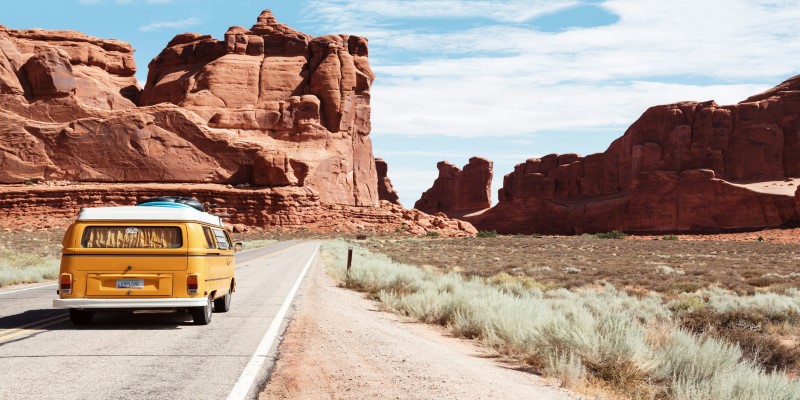
Some route ideas:
Nature-Heavy
Blue Ridge Parkway (USA), Great Ocean Road (Australia), or the Ring Road (Iceland)
Food-Focused
Southern BBQ trail (USA), wine country roads (France or California), or the taco trail in Baja
Classic Roadie
Route 66, the Pacific Coast Highway, or Garden Route in South Africa
You can do a loop (start and end in the same place) or a one-way trip (fly home from your final stop). Either works — just factor in the rental car return if you're not using your vehicle.
Plot Your Must-Sees First
What are the big-ticket items for this trip? A national park? A beach town? That burger place you've seen all over Instagram?
First, drop pins for your must-see places. These become your anchors. Then, work out how to connect them without overloading the drive.
Use Google Maps or apps like Roadtrippers to build a visual path. This way, you won’t accidentally plan backtracking routes or find yourself 200 miles off-course chasing a cool coffee shop.
Keep Your Driving Hours Reasonable
It’s easy to get ambitious when everything looks close on a map — but 6 hours on the road feels very different than it looks in a browser tab.
Plan 3–5 hours of driving per day if you want time to explore, eat, or chill.
Sure, you can push longer if needed, but stringing together too many 8-hour driving days makes the trip feel like a commute.
Also, driving at night might sound like a good way to save time, but you’ll miss out on scenic views — and you’ll arrive too tired to enjoy your stop.
Balance Big Stops With Little Surprises
Not every stop has to be a major city or popular attraction. Sometimes, it’s the random general store, roadside diner, or tiny art museum that sticks with you.
Mix In “In-Between” Moments:
- Small towns you’ve never heard of
- Scenic overlooks that don’t show up on tourist maps
- Weird roadside attractions like the World’s Largest Ball of Twine
Keep your plan flexible enough for unplanned stops. If you're too locked in, you'll miss out on the best part of road-tripping — unexpected discoveries.
Plan Where You’ll Sleep — But Leave Wiggle Room
You don’t have to book every single hotel in advance, but having a general idea of where you’ll stop each night helps avoid end-of-day stress.
For Popular Areas (Like National Parks Or Beach Towns):
Book ahead, especially during peak seasons.
For Quieter Areas Or Flexible Travelers:
Book a few key nights, then leave gaps to adjust as you go.
Apps like Booking.com, Airbnb, and even Google Maps can help you scope out last-minute options when you’re on the move.
Don’t Overpack Your Days
The temptation is real — especially if you're excited about every spot on your list. But road trip magic fades fast when you’re rushing from sunrise to sunset.
Aim For One Main Thing Per Stop.
That might be a hike, a museum, a market, or just a relaxing lunch in a cool town. Add in optional extras if time allows, but don’t stack your schedule too tight.
Build in some slow mornings, scenic breaks, or time to just hang out at a café. You'll appreciate the pause for more than one more hour on the road.
Download Everything Before You Go
You won't always have Wi-Fi or cell signal — especially in rural areas or mountain drives. So, do a little prep.
Download:
- Offline maps from Google Maps
- Your road trip playlist or podcasts
- Any booking confirmations
- Trail maps or park guides
Also, bring a physical map if you’re really going off the grid. It may sound old-school, but the paper doesn't rely on cell towers.
Keep Your Essentials Handy
Packing smart can save you a lot of time and hassle on the road.
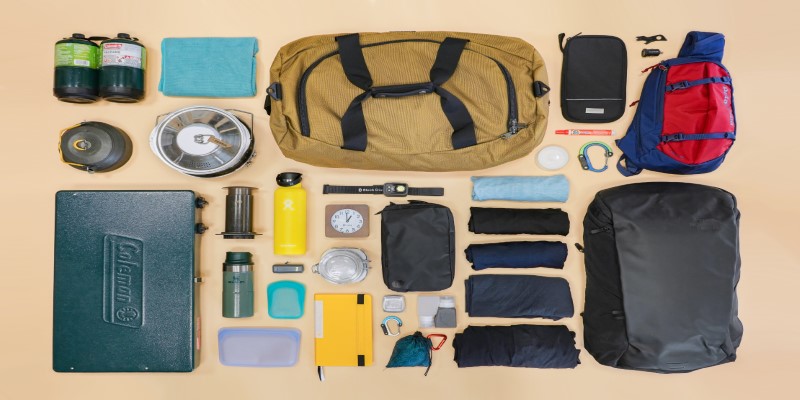
Things To Keep Within Reach:
- Reusable water bottles
- Snacks (salty and sweet)
- Sunglasses and sunscreen
- First aid kit
- Car chargers and cables
- Trash bags or zip locks for car cleanup
- A printed itinerary or handwritten notes (just in case)
Also — always fill up on gas when you can. Don’t wait until the tank’s almost empty, especially in remote areas where gas stations are few and far between.
Make Time For The Unexpected
This might be the most important tip: don’t schedule every second.
Leave a few open afternoons with no set plans. Say yes to the strange detour, the unplanned hike, the beach you didn't know was on your route.
Sometimes, the best moments on a road trip aren't the ones you planned — they're the ones that caught you by surprise and made you glad you didn't rush.
A Great Road Trip Doesn’t Follow A Script
The best road trips are built around balance: a bit of structure, a bit of chaos. A map in one hand and an open mind in the other. You want enough of a plan to avoid stress — but not so much that you miss the magic of the unexpected.
So, build a route that excites you. Leave room for weird stops and lazy days. And most importantly, give yourself time to look around, pull over, and enjoy the ride. Because with a good road trip, it's not just about where you're going — it's everything that happens along the way.
Just For You

Drinking Green Tea For Skin: Real Benefits Or Just Hype
March 28, 2026

Why Every Preschooler Needs a Motor-Skill Building Swing Car
March 23, 2026

DIY Hair Masks for All Hair Types: Nourish, Strengthen and Shine
March 19, 2026

The Pros and Cons of Being a Digital Nomad (Realistic and Honest)
March 18, 2026

Alcoholic Tea Trends: Creative Flavor Innovation And Market Growth
March 17, 2026
Best Countries for Digital Nomads in 2026 With Visa Programs That Work
March 13, 2026
Recommended For You
Smart Ways To Save Money While Traveling The World

The Ultimate Chocolate Lover’s Dessert Guide

12 Best Places To Visit In Europe For Unforgettable Adventures

Why Feather Soft Breathable Diapers Are the Best for Summer

Iron Deficiency in Infants: Why This Hidden Risk Matters More Now