Tips For Traveling On A Tight Budget Successfully
Travel
|
May 19, 2026
Think travel has to be expensive? Not really. Plenty of people explore new places without breaking the bank—it just takes a little planning and the right mindset.
You don’t need five-star hotels or first-class flights to have a good time. What you do need is a smart approach to spending. When you know where to save and where it’s worth spending just a bit, even a tight budget can take you farther than you think.
Let’s break down the simple things that help you travel more for less.
Be Flexible With Your Travel Dates
One of the easiest ways to cut costs? Travel during off-peak times.
Flights, hotels, and even local attractions are usually cheaper on weekdays or during shoulder seasons (right before or after peak travel months). If you’re not tied to a specific date, use tools like Google Flights or Skyscanner to check which days are cheapest to fly.
Tip
Flying mid-week (like Tuesday or Wednesday) is often cheaper than weekends.
Skip The Hotels
You don’t always need a hotel to have a comfortable stay.
Try alternatives like hostels, guesthouses, or Airbnb rentals. In many countries, you can find clean, safe, and affordable places that cost way less than standard hotels. For solo travelers, hostels are especially budget-friendly and often come with free perks like breakfast or city tours.
Other Options To Check Out:
- Couchsurfing (stay with locals for free)
- Work exchanges (trade a few hours of work for a free room)
- Overnight buses or trains (travel and save on a night’s stay)
Travel Light To Avoid Extra Fees
Airlines charge extra for checked bags. Some budget carriers even charge for carry-ons now.
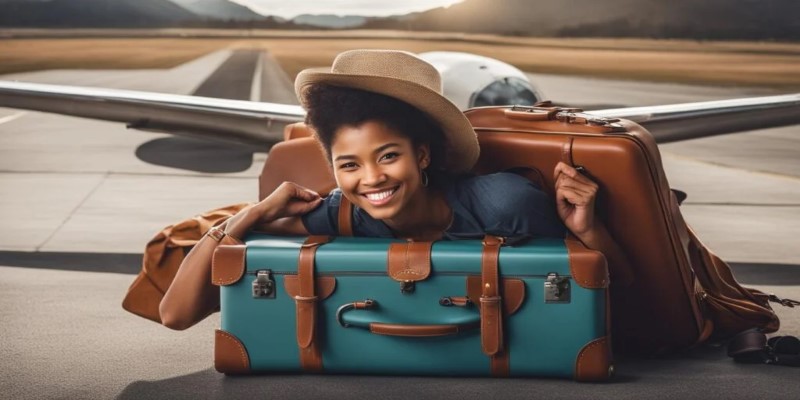
Stick to one small backpack or carry-on bag. It’s not just cheaper—it also makes it easier to move around, hop on local transport, or walk to your stay without dragging a heavy suitcase.
Bring clothes you can re-wear, shoes that go with everything, and refillable toiletries. The lighter you pack, the less you spend.
Eat Local And Save Big
Food is one of the best parts of travel—and you don’t need fancy restaurants to enjoy it.
Street food, small diners, and market stalls can give you the most authentic and tasty meals for a fraction of the price. In many countries, a full local meal can cost just a few dollars.
Smart Food Tips:
- Eat where locals eat, not where the tourists crowd
- Visit grocery stores for snacks, water, or cheap meals
- Book a place with a shared kitchen so you can cook some meals
Walk Or Use Public Transport
Taxis and rideshares can drain your budget fast.
Instead, use buses, trams, or metro systems whenever possible. Most cities offer day passes or reloadable travel cards. And if it’s walkable—walk! You’ll see more, spend less, and get some exercise too.
Bonus
Download offline maps like Maps.me or use Google Maps with offline mode so you don’t need to waste data figuring out where to go.
Free Activities Are Everywhere
You don’t need expensive tours to enjoy a new place.
Look for free walking tours, public events, free museum days, or nature trails. Parks, beaches, markets, and city squares are all great places to explore without spending a dime.
Other Ideas:
- Join local Facebook groups to spot free happenings
- Use travel blogs or Reddit to find local tips
- Ask your hostel or host for budget-friendly recommendations
Book Things In Advance (When It Matters)
Spontaneity can be fun, but some things are just cheaper when booked early.
Flights, long-distance buses, and popular attractions often have better prices if you reserve ahead. It also helps avoid last-minute fees or limited availability that forces you to spend more.
At the same time, don’t over-plan everything—some deals pop up on the go, especially for accommodation.
Avoid Tourist Traps
If a place is packed with souvenir shops and overpriced food, chances are it’s a tourist trap.
Instead, go a few blocks off the main road. You’ll usually find the same items or food at local prices. Also, avoid currency exchange counters at airports—they usually have worse rates. Use ATMs or exchange a small amount in advance.
Travel With Friends And Split Costs
Traveling solo is great, but traveling with friends can save money.
You can split accommodations, share meals, and even group up for tours or rentals. Just make sure you're on the same page about the budget before you go.
Apps like Splitwise make it easy to track shared costs without confusion.
Set A Daily Budget And Stick To It
Without a spending plan, it’s easy to lose track of your money.
Before your trip, calculate what you can spend per day based on your total budget. Factor in transport, food, stays, activities, and a little buffer for extras. Once you know your daily allowance, it’s easier to stay within limits.
Tip
Use a budgeting app or jot down expenses on your phone at the end of each day.
Collect Moments, Not Souvenirs
You don’t need to buy something from every place you visit. Photos, journals, ticket stubs, or small local items are usually enough. Avoid spending too much on souvenirs that take up space or just end up collecting dust. What matters most is the memory, not the shelf full of things. A simple keepsake with a story often means more than a suitcase full of trinkets.
Travel Smart, Not Expensive
Traveling on a budget doesn’t mean skipping all the fun—it just means being smart with your money. With a little planning and the right mindset, you can explore new places without going broke. Look for local spots to eat, walk whenever you can, and skip the overpriced tourist traps. The best travel memories often come from small moments, not big expenses. It could be a sunset you didn’t plan for or a conversation with a local. Keep it simple, focus on the experience, and enjoy the journey.
A tight budget doesn’t have to limit your trip—it can actually make it more meaningful.
Just For You
How To Make The Most Of A Short Weekend Getaway
May 16, 2026

Milk Fragrances: The Comforting Scent Trend to Know Now
March 28, 2026

Can a Perfume Really Support Your Mood? Here’s What to Know
March 24, 2026

Best Developmental Toys That Boost Motor Skills in Toddlers Now
March 20, 2026

Best Bio-Based Biodegradable Baby Wipes for Sensitive Skin Kids
March 20, 2026
Alcoholic Tea Trends: Creative Flavor Innovation And Market Growth
March 17, 2026
Recommended For You
Discovering Adventure Hiking and Surfing in the USA

Discover Unforgettable Europe Unique Travel Destinations Await

Traveling Alone These Are the Best Places to Travel Solo in 2026

Best Winter Perfumes That Feel Warm, Rich, and Elegant

Flavorful Tea Cocktail Ideas With Simple And Easy Instructions