Best Ways To Keep Your Valuables Safe
Travel
|
June 1, 2026
Ever been on a trip and suddenly can’t find your wallet? Or did you leave your laptop in a hotel room and feel that sinking feeling hit you halfway through dinner? You're not alone.
Keeping your valuables safe isn’t just about buying the right locks or hiding things under a pile of socks. It’s about habits, smart choices, and a little bit of awareness every day.
So, what works best? What's actually helpful in real-life situations—not just on a checklist? Here’s a breakdown of smart, practical ways to keep your valuables protected. These tips work whether you're at home, traveling, or just out for the day.
Use The Right Bag (It Matters More Than You Think)
Let’s start with something simple—your bag.
The kind of bag you carry plays a big role in how easy it is for someone to swipe something from you. Crossbody bags with zippers are usually safer than open totes or backpacks that sit behind you. Want to step it up? Look for anti-theft bags that come with hidden zippers, slash-proof straps, or locking compartments.
Everyday Tip
Avoid carrying valuables in outer pockets. The front and center of your body are the safest spots.
Travel Tip
If you’re sightseeing, keep only what you need for the day. Lock everything else in the hotel safe.
Lock It Up—Even At Home
You might think your home is a safe zone. But break-ins happen—fast. Most burglars are in and out in under 10 minutes. That doesn’t leave a lot of time to crack open safes or check weird hiding spots. That’s why having a solid home safe with a code or fingerprint lock can go a long way.
Best Uses
Store documents (passports, social security cards), jewelry, small electronics, backup drives, and emergency cash.
Where To Put It
Not in your bedroom closet. That’s the first place intruders look. Try the laundry room, under the stairs, or even in the kitchen (behind cleaning supplies works surprisingly well).
Don’t Advertise Your Stuff
Social media is a thief’s favorite tool.

Posting a vacation photo or showing off new tech might seem harmless, but it’s also a signal: “Hey, I’m not home—and I own some cool things.”
Easy Fix
Delay your posts until you're back. Or keep your privacy settings tight, so only close friends can see where you are and what you've got.
This applies offline, too. Flashing cash in public or carrying brand-name shopping bags can attract the wrong kind of attention.
Use Tech To Your Advantage
Technology can be your best ally when it comes to protecting your valuables.
Gps Trackers
Stick one in your purse, wallet, or luggage. If it disappears, you’ll know where it went. Devices like Apple AirTags, Tile, or Samsung SmartTags are small but powerful.
Smart Locks And Cameras
Even simple security cameras at home can discourage theft. Smart locks let you control who comes in—and when.
Cloud Storage
Do you have important files? Don't keep them only on your device. Back everything up in the cloud so you're not out of luck if something gets stolen.
Out Of Sight, Out Of Trouble
Let’s talk about cars. Ever left something valuable on the seat “just for a minute”? That’s all it takes.
Car break-ins are often crimes of opportunity. Someone sees a laptop, a backpack, or even a grocery bag that might have something inside—and boom, smashed window.
Rule To Live By
Never leave valuables visible. If you have to keep something in the car, hide it before you park. Not after. Thieves often watch parking lots and notice when people stash things in the trunk.
Hotel Rooms: Safe Or Sketchy?
You’ve probably wondered: is that hotel safe actually safe?
The truth is, hotel safes are better than leaving your stuff out—but they’re not foolproof. Many of them have master override codes. So, while they protect against random hotel staff or other guests, they're not Fort Knox.
Smart Moves:
- Don’t keep everything in the safe.
- Use a small travel lock box with a steel cable to secure your things and fix the furniture.
- Carry digital backups of documents and IDs, just in case.
Be Smart About What You Carry
You don’t always need everything with you.
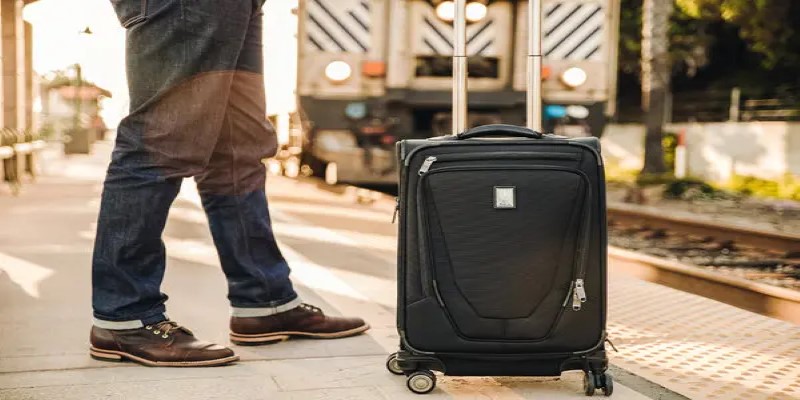
Your daily carry should be light and essential. The less you have, the less you can lose.
Keep It Minimal:
- One ID
- One credit card (leave backups at home)
- A little cash
- A digital copy of important documents on your phone (in an encrypted folder)
Also—consider using a decoy wallet when you travel. Keep a small amount of cash and expired cards in it. If you’re ever targeted, handing it over might avoid a worse situation.
Use Diversion And Disguise
Sometimes, the oldest tricks work best.
Fake containers are cheap, easy to travel with, and surprisingly effective. You can buy water bottles, shaving cream cans, or even books that double as hidden storage. Most thieves are in a rush—they’re not going to twist the cap on your sunscreen bottle.
Other Great Hiding Spots:
- Hollow curtain rods
- Inside tissue boxes
- Bottom of a toy box (if you’ve got kids)
- Under removable floor vents
Think Like A Thief
This might sound strange, but hear me out:
Take five minutes and walk around your space (home, hotel room, car, whatever). Ask yourself—if I had 30 seconds to find something worth stealing, where would I look first?
Most people realize their “clever” hiding spot is actually the most obvious. Reevaluate regularly. Rotate where you stash things. Add a layer of security if something feels too easy.
Everyday Security Is A Habit, Not A Hassle
Protecting your valuables doesn’t have to feel like a chore. It just needs to become part of your daily rhythm.
Think ahead. Stay alert. Use what you’ve got smartly—bags, safes, tech, your own common sense. The more you practice small habits, the less likely you are to lose something big.
A little prevention goes a long way.
Just For You
7 Best Real-Time Translation Apps For International Travel
April 29, 2026
Milk Fragrances: The Comforting Scent Trend to Know Now
March 28, 2026

Why Feather Soft Breathable Diapers Are the Best for Summer
March 24, 2026
Creamy, Cold & Captivating: What Makes Nitro Tea Irresistible
March 22, 2026

Best Developmental Toys That Boost Motor Skills in Toddlers Now
March 20, 2026

The Best Cheap Caribbean Destinations That Tourists Haven't Ruined Yet
March 13, 2026
Recommended For You
Tips For Traveling On A Tight Budget Successfully

Discover Unforgettable Europe Unique Travel Destinations Await
How to Build a Skincare Routine from Scratch: A Beginner's Guide
Stress-Free Mother’s Day Ideas For Moms Who Need To Unwind

Herbal Mushroom Teas You Can Drink Daily for Health and Focus